
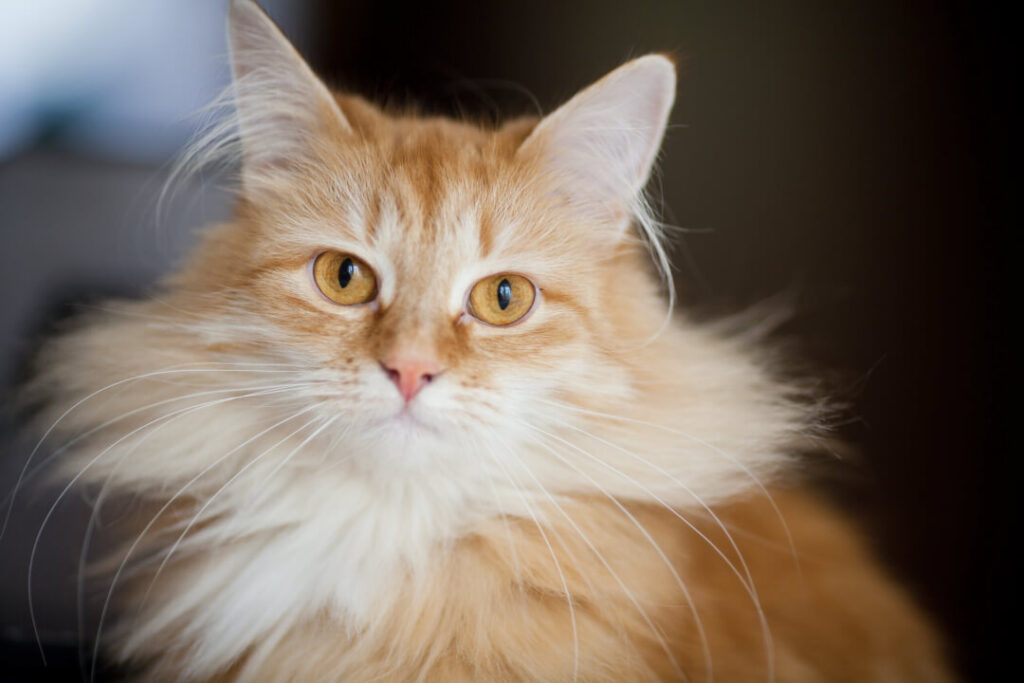

Expert tips for selecting and using Katzenpflege Langhaar Bürsten to maintain a healthy, tangle-free coat in long-haired cats.

Caring for a long-haired cat’s coat is more than just aesthetics; it is crucial for their health and comfort. Having lived with Persian and Maine Coon cats for years, I’ve learned that consistent, proper grooming prevents painful mats, skin irritation, and excessive shedding. The right grooming tools, especially the correct brushes, make all the difference. This article shares my experience in choosing and using the best tools for their beautiful, long fur.
Overview:
- Regular brushing with appropriate tools is essential for long-haired cats.
- The choice of brush depends on coat type, matting frequency, and the cat’s comfort.
- Slicker brushes are excellent for removing loose hair and small tangles.
- Metal combs are vital for detangling and checking for hidden mats.
- Deshedding tools effectively reduce shedding, especially during seasonal changes.
- Grooming should be a positive experience, starting early and using gentle techniques.
- Proper cleaning and maintenance of brushes extend their life and effectiveness.
- Investing in quality Katzenpflege Langhaar Bürsten supports a healthy and happy feline companion.
Choosing the Right Katzenpflege Langhaar Bürsten for Your Cat’s Needs
Selecting the correct brush is the first step in successful long-haired cat grooming. Not all coats are identical; a Persian’s fine, dense fur differs from a Maine Coon’s shaggier, water-resistant coat. I always consider the density, texture, and individual cat’s sensitivity. A brush that works wonders for one cat might be uncomfortable for another. My priority is always gentle effectiveness.
For daily brushing, I often start with a soft slicker brush. These brushes feature fine, short wires angled on a flat or slightly curved surface. They are excellent for removing loose topcoat and undercoat hair, preventing mats from forming. When using a slicker brush, I employ short, gentle strokes, moving with the direction of hair growth. This approach minimizes pulling and discomfort.
Another invaluable tool is a wide-toothed metal comb. After using the slicker, I follow up with the comb to check for any deeper tangles or mats. The comb’s teeth should be smooth and rounded to avoid scratching the skin. I usually have a comb with both wide and narrower teeth for different areas of the coat. This is particularly useful around the “armpits” and belly, where mats frequently develop. Finding high-quality options is easy in the US pet market.
Essential Techniques for Effective Long-Haired Cat Grooming
Effective grooming involves more than just brushing; it’s about technique and creating a positive experience. Cats can be finicky, so patience is key. I always approach grooming sessions calmly, talking softly to my cats. Short, frequent sessions are far better than infrequent, long struggles. Aim for 5-10 minutes daily, if possible.
Start grooming when your cat is relaxed, perhaps after a meal or a nap. Begin with areas they tolerate well, like their back or sides. Avoid sensitive spots like the belly or tail until they are comfortable. If you encounter a mat, never pull at it with a brush. This causes pain and aversion to grooming. Instead, gently tease it apart with your fingers or the wide-toothed comb. Sometimes, a mat splitters or blunt-nosed scissors (used very carefully) are necessary for stubborn mats.
Always brush in layers, lifting the topcoat and working on the undercoat first. This ensures you reach all the loose hair. Pay special attention to areas prone to matting: behind the ears, under the chin, legs, and the “britches” area around their rear. These spots often gather loose hair and become tangled quickly. Regular attention here prevents much larger problems down the line.
Understanding Different Types of Katzenpflege Langhaar Bürsten and Their Uses
The market offers various types of Katzenpflege Langhaar Bürsten, each designed for specific purposes. Beyond slicker brushes and metal combs, a few other tools deserve a place in your grooming kit. A pin brush, featuring widely spaced metal pins with rounded tips, is great for general detangling and fluffing the coat. It’s less aggressive than a slicker brush, making it suitable for sensitive cats or for finishing touches.
Deshedding tools, often branded with names like “furminator,” are highly effective for removing large amounts of loose undercoat. These tools have a fine-toothed blade that gently pulls out dead hair without cutting the healthy topcoat. I use these sparingly, typically once or twice a week during shedding season, as overuse can irritate the skin or damage the coat. Following up with a regular brush helps distribute natural oils.
Rubber brushes or grooming gloves are also useful, especially for cats who dislike traditional brushes. These provide a gentle massage while collecting loose hair. While they don’t penetrate thick long coats as deeply, they are excellent for daily touch-ups and for cats with thinner long hair. Some cats simply prefer the tactile sensation of a gloved hand. Having a variety allows flexibility based on your cat’s mood.
Maintaining and Cleaning Your Katzenpflege Langhaar Bürsten for Longevity
Proper care of your Katzenpflege Langhaar Bürsten is vital for their effectiveness and hygiene. After each grooming session, I always remove all the trapped hair from the brush bristles. Leaving hair in the brush reduces its ability to collect loose fur effectively and can harbor bacteria. A small, stiff brush or a specialized brush cleaner tool works well for this.
Periodically, I wash my brushes with a mild pet-safe shampoo and warm water. This removes accumulated dirt, oils, and dander. For metal combs and deshedding tools, I ensure they are thoroughly dried immediately after washing to prevent rust. Damp brushes can also become a breeding ground for mold and bacteria, which you certainly don’t want to transfer to your cat’s clean coat.
Inspect your brushes regularly for wear and tear. Slicker brush pins can bend, and comb teeth can become sharp or broken. A damaged brush can scratch your cat’s skin or pull their fur painfully. Replacing worn-out tools is an investment in your cat’s comfort and coat health. Quality tools, well-maintained, will serve you and your feline friend for many years.


